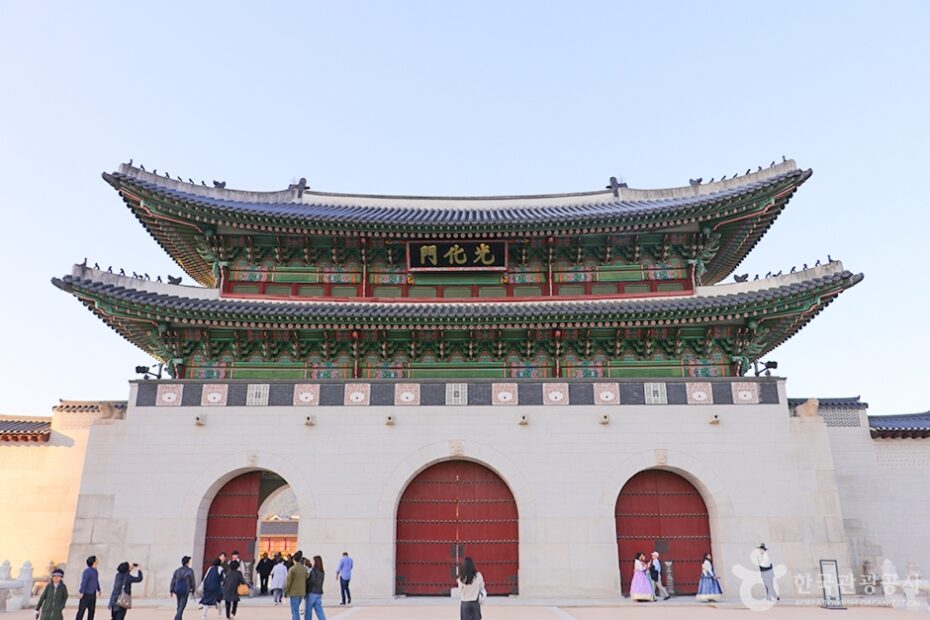
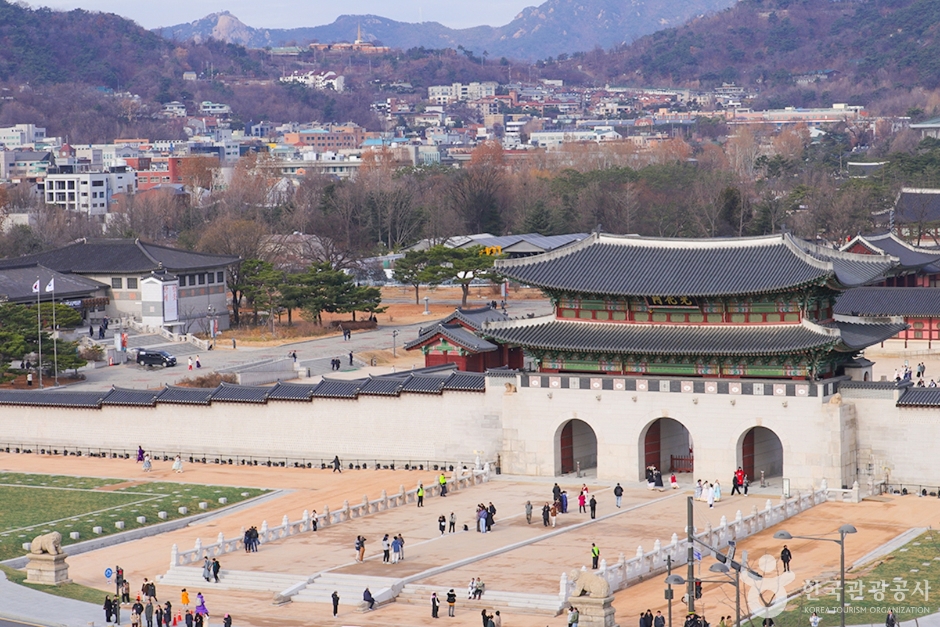
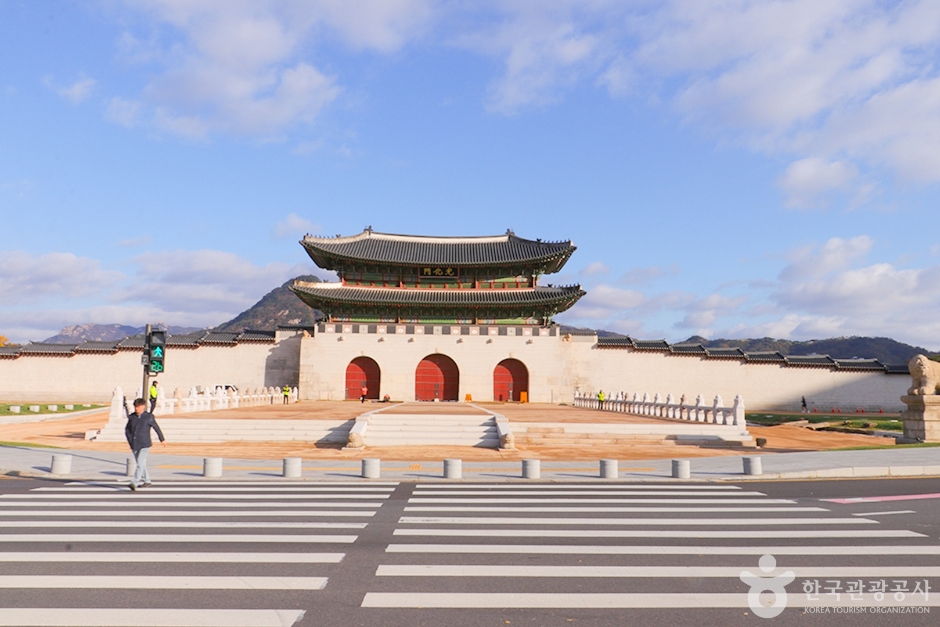
Gwanghwamun Gate (광화문) stands as the main southern entrance to Gyeongbokgung Palace, making Gwanghwamun Gate Seoul an essential stop for international travelers exploring South Korea's capital. Originally constructed in 1395 under the reign of King Taejo, the founder of the Joseon dynasty, it serves as the grandest and most elaborate gateway among all the palace entrances.
Architecture and Historical Restoration
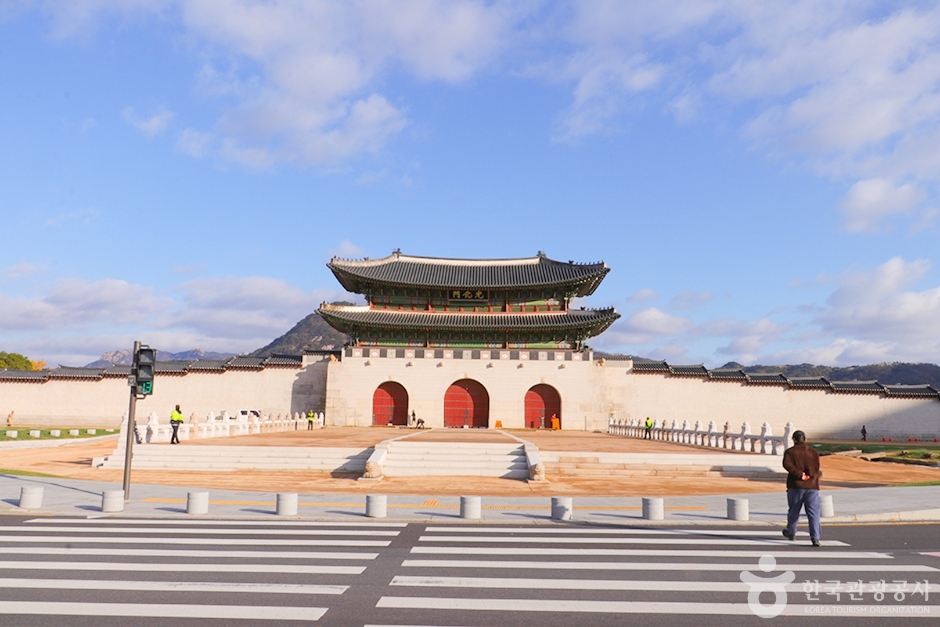
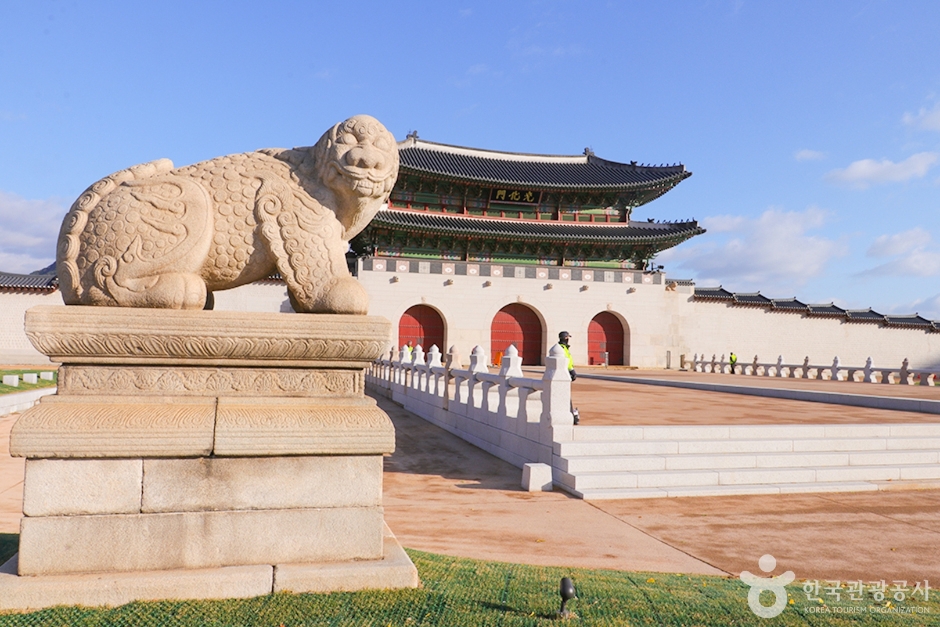
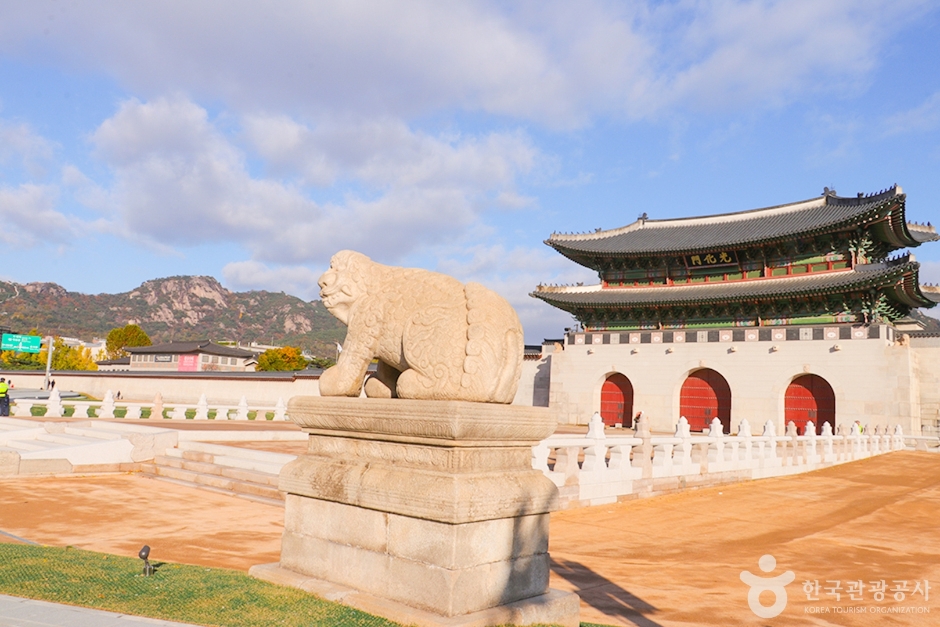
Gwanghwamun Gate features three distinct arched entryways built into high granite walls, which support a wooden gate tower. Historically, the central arch was used exclusively by the king, while the side arches served the crown prince and royal officials. A prominent wooden sign displaying the gate's name hangs at the upper center of the tower.
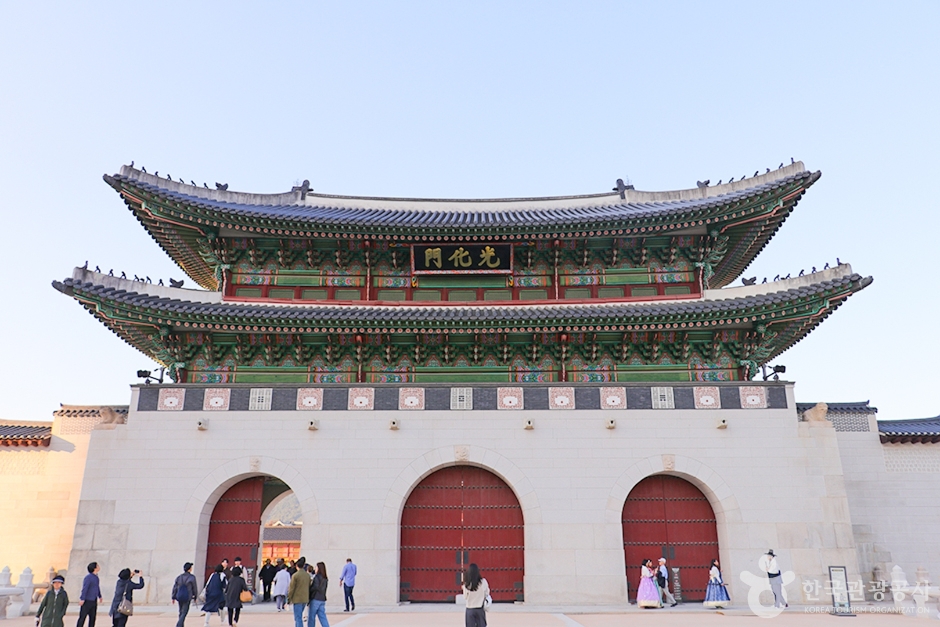
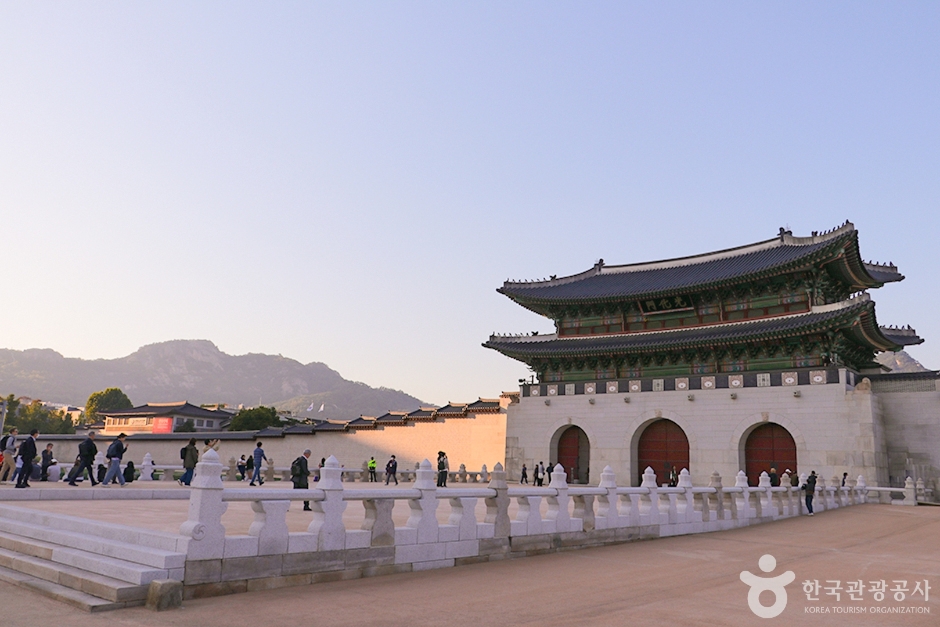
Throughout its history, the landmark endured severe destruction and multiple relocations. It was destroyed during the Imjin War (1592–1598) and remained in ruins until Gyeongbokgung Palace was rebuilt in 1864. Under Japanese rule, the gate was relocated to the north of the palace's eastern gate and subsequently suffered heavy damage during the Korean War (1950–1953). In 1968, the structure was rebuilt with concrete south of the palace, slightly away from its original placement. A major reconstruction project launched in 2006 removed the concrete and meticulously restored the gate using traditional granite and wood at its precise historical site. Following three years and eight months of restoration work, it reopened to the public on August 15, 2010.
Opening Hours and Visitor Schedule
The gate area follows seasonal operating hours throughout the year:
– January to February & November to December: 09:00–17:00
– March to May & September to October: 09:00–18:00
– June to August: 09:00–18:30
Last admission is allowed up to one hour before closing time. The site is closed every Tuesday.
Location and Practical Details
You can find the attraction at 161 Sajik-ro, Jongno-gu, Seoul. For telephone inquiries, contact the information center at +82-2-3700-3900, or visit the official website at https://gwanghwamun.seoul.go.kr/main.do.
Hours and services can change, so check official contact details before visiting. Searching the address in Naver Map or KakaoMap usually gives the most accurate directions in Korea.
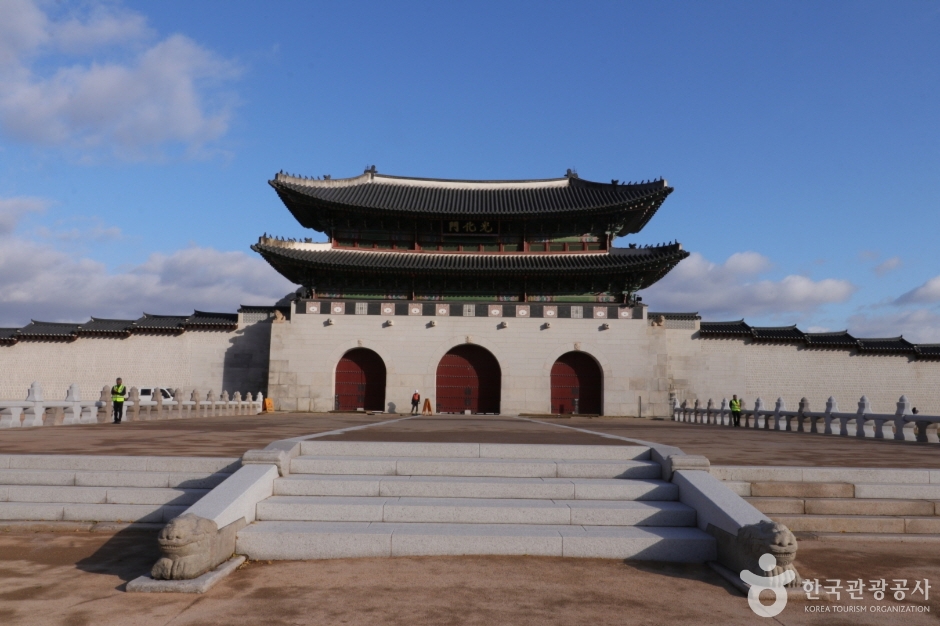
Source: Korea Tourism Organization (VisitKorea). Photos: KOGL Type 3.